

 Showroom
 Digital Catalog



Glass’s Economic Value Takes Center Stage in April as ‘Glass Waste Month’
GCA Carries the Infinite Cycle of Glass into the Future with Its 2030 Vision
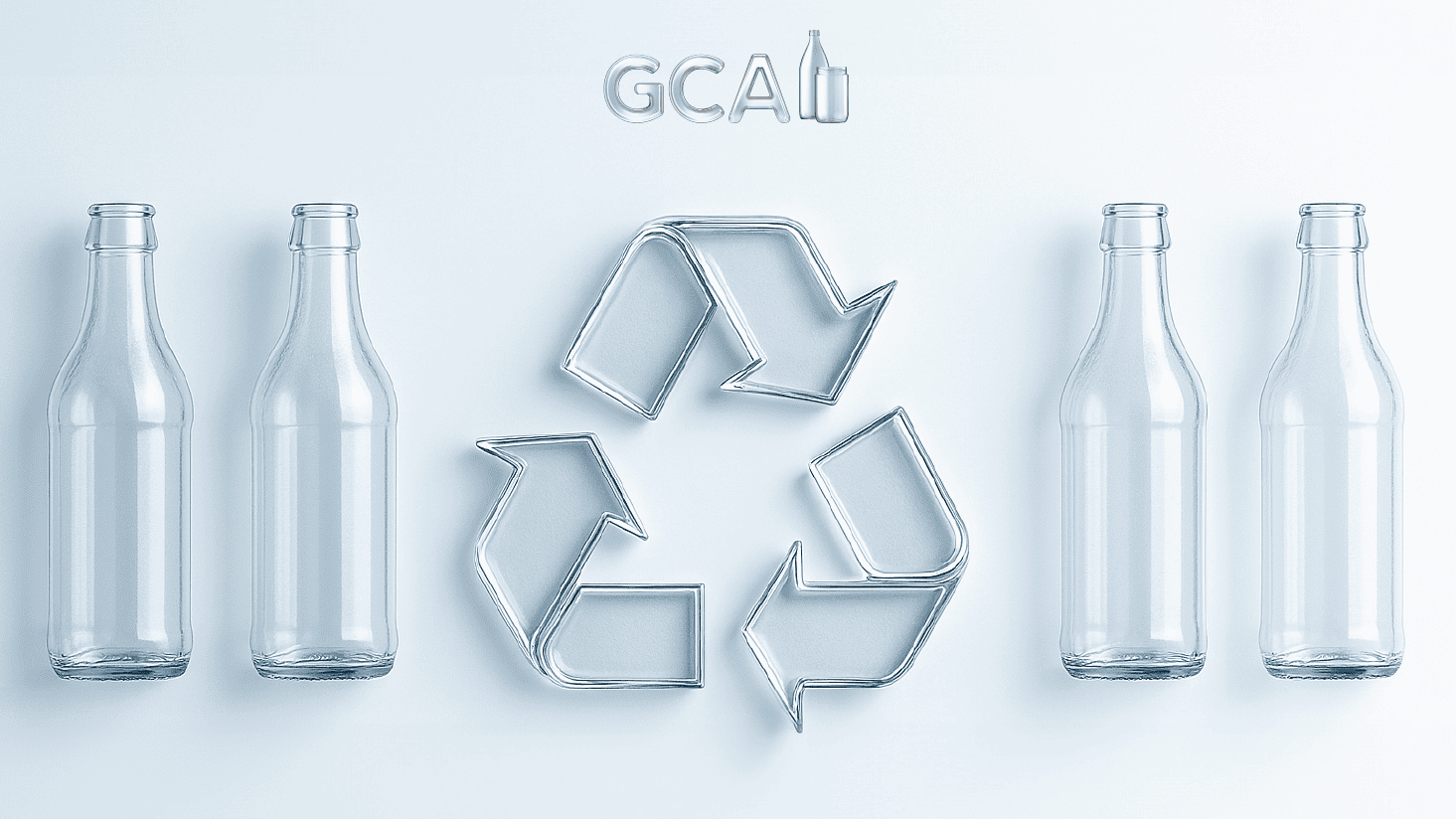
April, declared as ‘Glass Waste Month’ within the scope of the 2026 Zero Waste Annual Theme Plan, brings renewed visibility to the role of glass in the circular economy. In parallel, GCA is elevating its operational capabilities to global standards through its 2030 sustainability roadmap.
The recycling ecosystem in Türkiye, strengthened by the zero-waste approach, continues to reinforce the strategic role of glass. Since 2017, approximately 90 million tons of waste have been recovered nationwide, generating an economic value exceeding TRY 365 billion. During this period, the recycling of 3.5 million tons of glass waste has provided tangible evidence of its critical role in this economic transformation.
The Ministry of Environment, Urbanization and Climate Change’s declaration of April as ‘Glass Waste Month’ offers a vital platform for raising awareness about the separate collection and recovery of glass. Within this framework, GCA actively contributes to every stage of the value chain -from production to recycling- supporting its sustainability approach with concrete practices."
GCA Strengthens Its Sustainable Production Model for 2030
The ability of glass to be recycled infinitely without any loss in quality positions it as a cornerstone of sustainable manufacturing. Increasing the use of cullet (recycled glass) reduces energy demand and directly lowers carbon emissions; every 10% increase in cullet usage results in approximately 2.53% energy savings and a 5% reduction in emissions. This data highlights that recycling is a critical driver of efficiency in production processes, in addition to its environmental benefits.
Supporting its sustainable production approach with concrete targets and technological investments, GCA aims to reduce its emissions by 30%, source 30% of its energy from renewable sources, and increase its cullet usage rate to 35% in line with its 2030 goals. Initiatives such as the solar energy investment commissioned at GCA’s Kütahya production plant, regenerative furnace technologies, flue gas monitoring systems, and raw material optimization further enhance efficiency across production processes.
“We are Transforming Glass Waste Management into a Holistic Model”
Reintegrating glass waste into production establishes a continuous value cycle by effectively eliminating the concept of “waste.” Post-consumer glass packaging is transformed into high-quality cullet and reintroduced into the furnaces, turning glass from a single-use material into a sustainable raw material. Sharing GCA’s operational strength and future vision, GCA General Manager Dr. Abdullah Gayret commented:
“The ability to recycle glass infinitely without any loss in quality lies at the core of our sustainability strategy. In this context, glass waste should be recognized as a valuable raw material that must not be lost; sending it to landfill means losing a significant resource that could otherwise be reintroduced into the economy. Through our EKOMAT Project, which we carried out until the end of 2023, we reintegrated 2.3 million glass packages into the economy within 1.5 years, establishing a strong foundation for a deposit return system. As GCA, we are translating these operational achievements into an integrated model aligned with our 2030 strategic targets. We aim to reintegrate 80% of the waste generated in our production processes and to measure the sustainability performance of our supply chain. With our refillable bottle solutions and sectoral collaborations such as the ‘Responsible Restaurant Movement,’ we are extending the lifecycle of glass through an integrated and measurable system.”
The supply of high-quality cullet, which will increase as the recycling infrastructure develops, will accelerate the transition to a low-carbon production model. Under its “Future for GCA” approach, GCA aims to establish this structure not only within its own factories but as an applicable standard across the entire industry.
17.04.2026